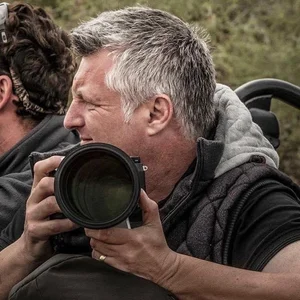
From Avoca to Africa — Part Two: The Long Way Round
Tokyo
Looking back now, my four years in Tokyo were probably some of the best years of my life.
The job was stressful — a new workplace, a new culture, a new set of unwritten rules I had to learn by instinct. My hours were difficult, three in the afternoon until midnight, bridging the London close and the New York open. But they gave me most of the day. And in Tokyo, a free day is not wasted.
A Japanese colleague gave me my first piece of advice. A Japanese smile, he said, hides a thousand things. He was right. Japan is an insular country. Foreigners — gaijin — are tolerated more than welcomed. I was never going to be fully accepted and I understood that. It was fine. What I found instead was something rarer — a country that had decided to do everything, from cooking a meal to wrapping a parcel, to the absolute best of its ability. That left a mark on me that has never entirely faded.
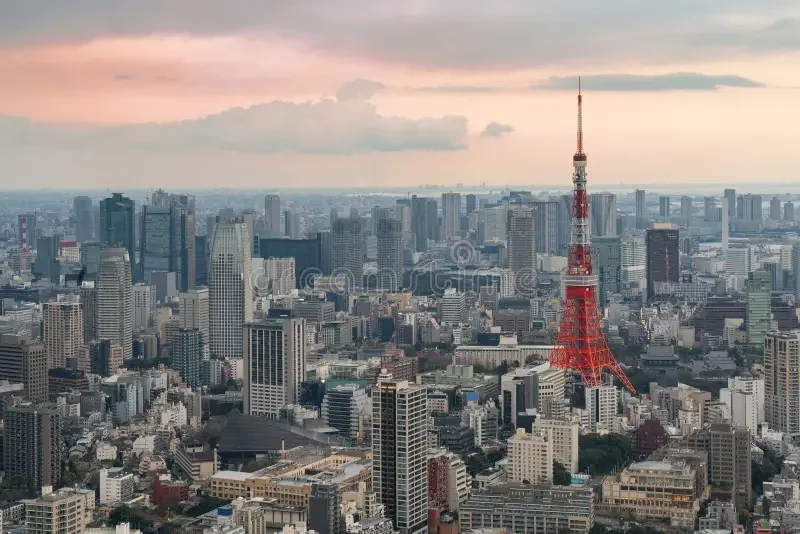
Tokyo, 1990s
The city that gave me time to think.
The City on Two Wheels
In Tokyo, the bicycle is king. I cycled everywhere — back streets, parks, temples, Shibuya, Shinjuku. Every day felt like I was on holiday. You could live your whole life in Tokyo and never eat in the same place twice. In four years I never had a bad meal. I ate in small wooden restaurants with room for five, the owner and chef one and the same, no English spoken, no menu offered. He cooked what he had found in the fresh markets that morning. Small plates arrived — fish, vegetables, things I couldn't name. I went back often. We managed without a shared language.
The first Christmas it snowed. I walked through Yoyogi Park, which I loved and lived close to, and felt something I hadn't felt in years — a complete absence of urgency.
On weekends we hiked. There was a book of walks an hour from the city and we did them all — cedar forests, volcanic onsen, Shinto temples appearing without warning in the middle of nowhere. The Japanese Alps in winter. Summers on empty beaches, the lush green forest sweeping down to the sea. My Japanese colleagues took two days of holiday and donated the rest back to the company. I took every day I was given.
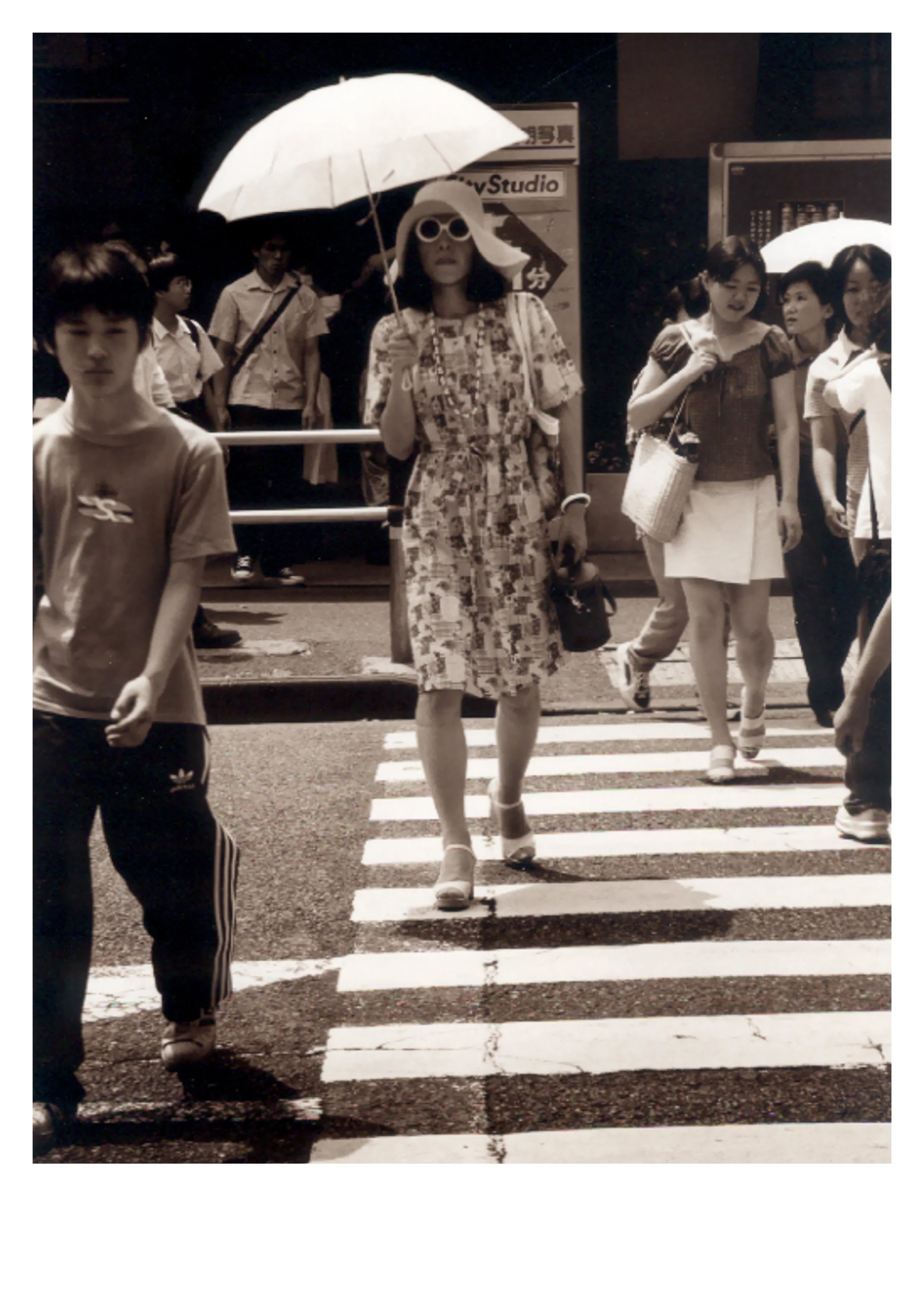
Tokyo Street, 1990s
Shot on film, developed and printed by hand. Learning to see.
The Camera Becomes Everything
I had never been creative. I couldn't draw, couldn't make things with my hands, couldn't find a way to express what I saw and felt in the world around me. Photography changed that.
In Tokyo, with a stressful job and a life lived largely indoors between three in the afternoon and midnight, I needed a release. Somewhere to zone out completely. Photography became the yang to my yin, the opposite of everything finance demanded of me. Numbers, screens, pressure, noise. The camera gave me silence, observation, and something I had never had before: a way of showing how I saw the world.
Black and white taught me to look differently. Not at colour, but at texture, line, form, shape, scale, space. Things most people walked past without noticing. I began to see them everywhere.
The darkroom was a love-hate relationship. I loved watching a latent image come alive in the developer tray — that slow reveal, the photograph emerging from nothing, felt like a kind of magic every single time. I hated the chemicals, the smell, the burning and dodging. But it taught me things I could never have learned any other way. Exposure, contrast, tonal range, and cropping. The foundations of everything that came after. If someone else had done that work for me, I would have learned nothing.
I photographed in parks, at crossings, and on trains. I loved the train stations — especially those with bridges, where the afternoon light fell in diagonals, and the shadows played across the platforms. I used a wide-angle lens and got close. I went to Kyoto and photographed geisha going about their daily routines. Shinto monks. Temples. I was more of a travel photographer than anything else. Wildlife never occurred to me. I had fallen in love with Don McCullin's work, and McCullin photographed people, not animals.
Looking back at those early images now, I can see how much I had to learn. But I had hunger and desire, and I was becoming obsessed. I joined a photography group, did workshops, and had a small group exhibition or two. The Japanese love cameras and don't mind being photographed — Japan is a photographer's playground, and I made full use of it.
I was not yet good. But I was becoming someone who needed to make photographs the way other people need to eat.
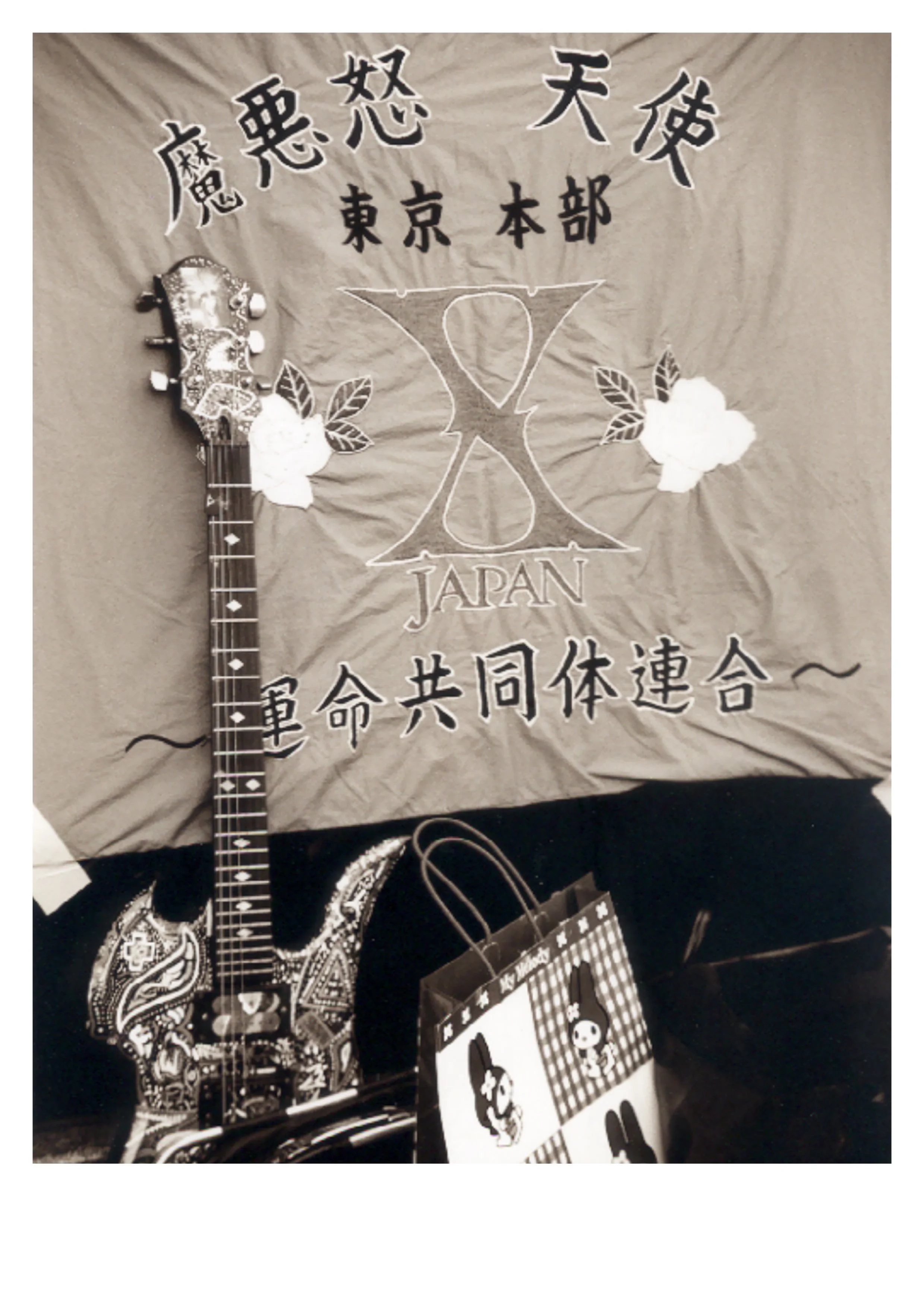
Yoyogi Park, Tokyo
Every Sunday the park came alive. A city within a city.
Walking Into the Boss's Office
After nearly four years, I walked into my boss's office and told him I was leaving.
He was as surprised as I was.
I was making good money. He offered to double it. I thanked him and said no. If I don't do this now, I told him, I will never do it. Nearly fifteen years as a money broker in London and Tokyo had given me everything a certain kind of life could offer: the salary, the restaurants, the social world, all of it. And I had enjoyed it. But honestly, I had never really fitted in. And truthfully, I had never really wanted to.
I didn't know what I wanted to do with my life. I only knew I wanted it to be something else.
He asked what he could do. I said I needed my Land Cruiser — bought in Tokyo — shipped to Cape Town, and my furniture sent to Ireland. He said no problem. That was the kind of man he was.
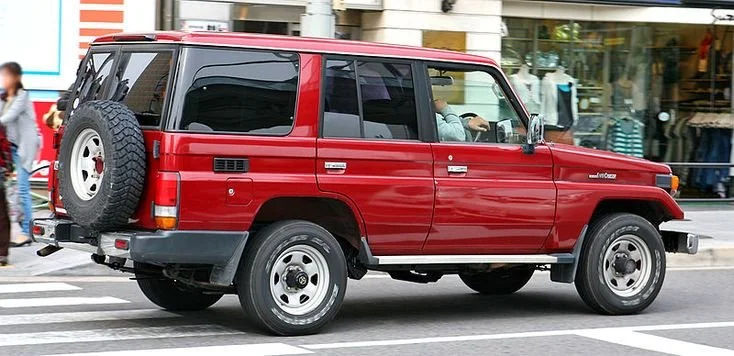
The Landcruiser, Tokyo
Bought in Japan. Shipped to Cape Town. The journey was about to begin.
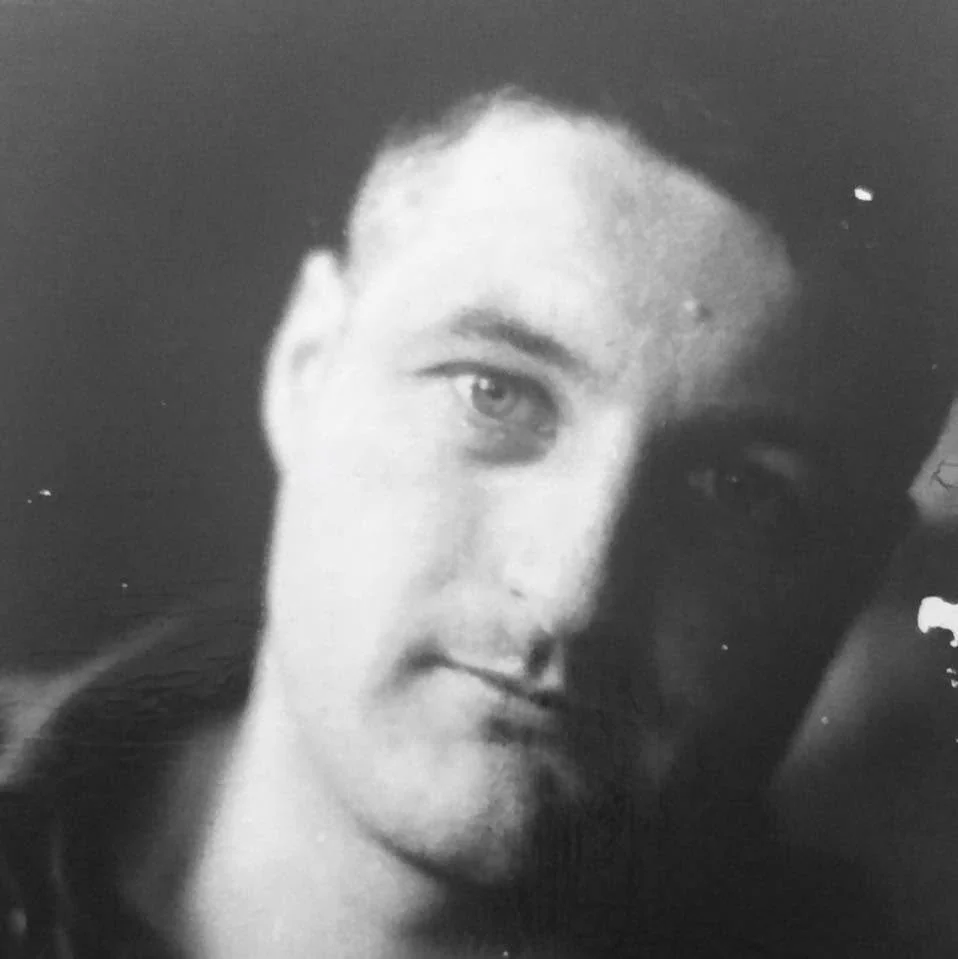
Tokyo, 1998
Thirty years old. No idea what was coming next.
Seamus
My nickname in the office was Seamus — given to me by my first boss, also named Peter, in an office with four Peters. He named me after my father.
My American colleagues joked that I was crazy for going to Africa. A few years later, some of the people I had worked with were lost in the Twin Towers. Friends, colleagues, people I still think about.
It was a reminder, in a way I never forgot, that life doesn't wait for certainty.

The Landcruiser, Zimbabwe
The open road. No itinerary. No plan. Just Africa.
The Open Road
I had never driven a 4x4. Never camped in the African bush. Never been on a solo safari. I was completely green and about to embark on a twelve-month journey across a continent — not just any continent, but Africa. One of the largest on earth. A place of extraordinary beauty and wonder, but also real danger.
All I had was a passport, a camera, some dollars, and a desire to do something many people dream about but fear stops them from ever attempting. No itinerary. No plan. Just the open road and whatever lay ahead.
The open skies of the Karoo. The salt air of the Indian Ocean. And somewhere out there, the sounds of the bush.
I was going.
Part Three — The Leap: twelve months across Africa, a border crossing at the edge of the world, and the moment everything changed.
While you wait for Part Three, explore the photographs that came from that journey.
Elephant Portraits | Giraffe Studies | African Landscapes | Lion Prints