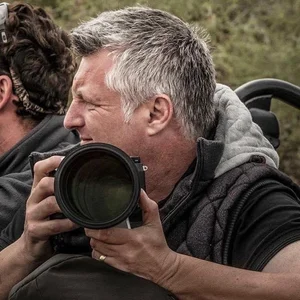
Unlock the Secrets of Safari Photography: The Art of Seeing
When I look back over twenty years of images, a few truths stand out. In the beginning, my shots were mostly action or close-up portraits. Exciting, but they rarely told a story. Editing was a struggle too, just as hard to learn as the photography itself. What I've come to understand since is that wildlife photography isn't about action or close-ups at all. It's about seeing. And there is no better place to learn that than on an African photographic safari.
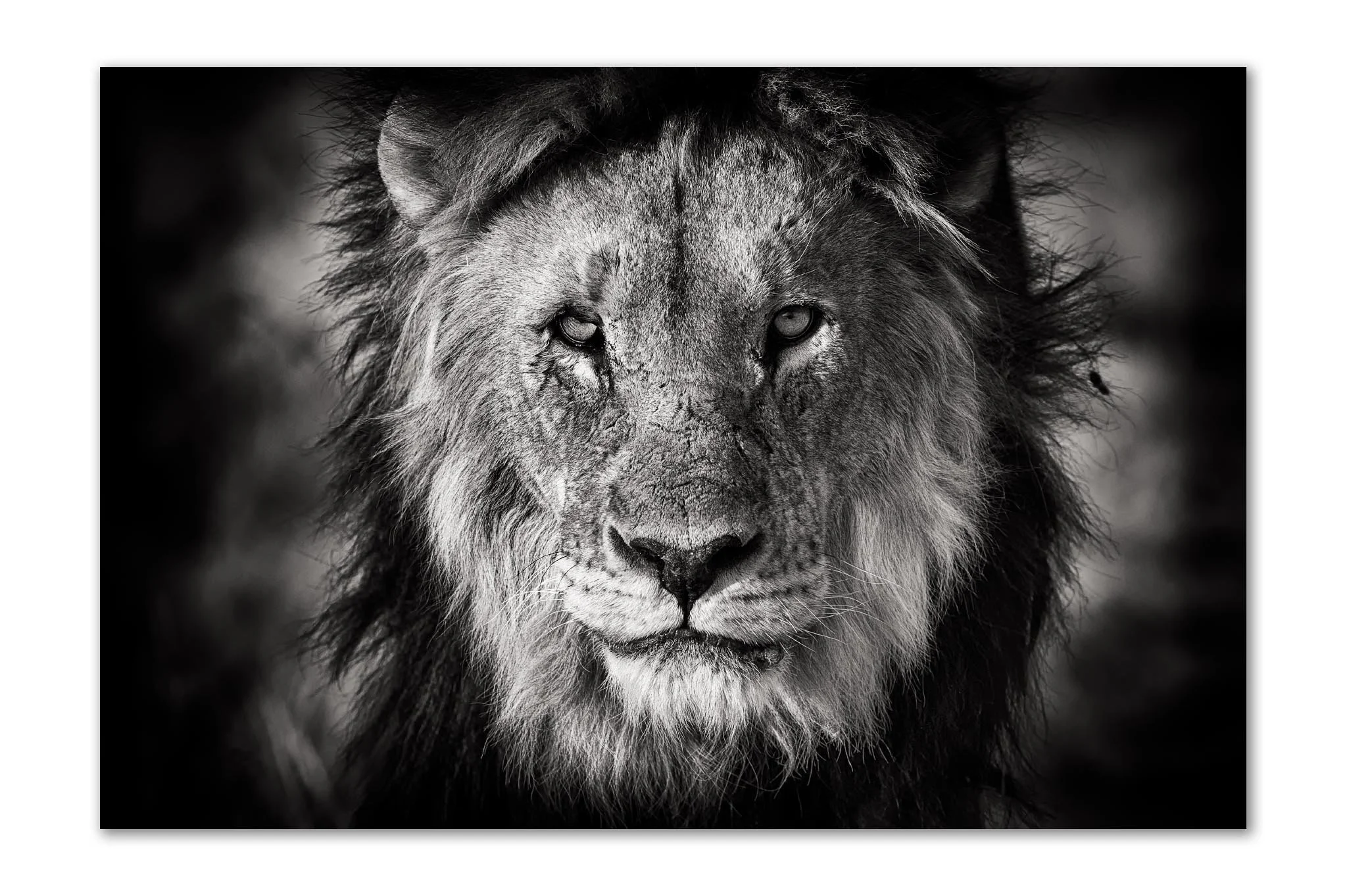
Heart Of Darkness | Black-maned Lion
Focus. A tight portrait of a lion’s gaze, still and absolute in its intensity.
When you're out in the wild, camera in hand, it's easy to fall into the rhythm of action shots, autofocus does the work for you, or close in for a portrait. But where's the art in pointing and shooting? When I take guests into the field, the first thing I teach them is that great wildlife photography takes more than a reflex. It takes patience, creativity, and an eye for composition. You're crafting an image. Not taking a picture.
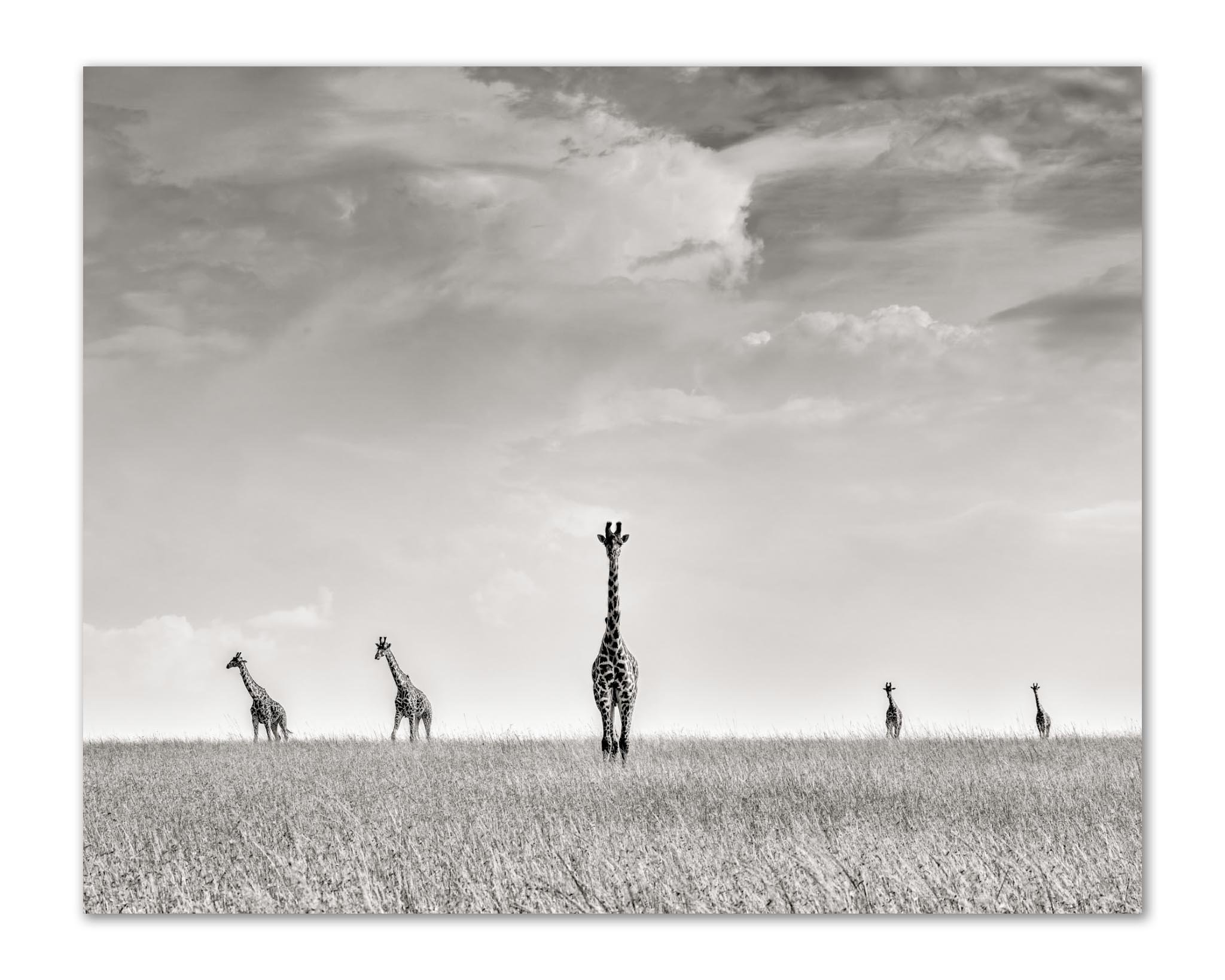
Serendipity | Giraffes, Mara North
Drama. The storm still overhead, five giraffes crossing the open Mara beneath a vast retreating sky.
Hasselblad Masters 2026 Finalist
Wildlife photography is one of the hardest disciplines there is, and a safari is the best classroom for it. You never know what you'll get: timing, place, light, subject, all of it unpredictable. Action near a waterhole is thrilling. But the real magic happens when you're quiet, watching, and composing something that tells a story. That's what I teach in the field.
On safari in the Mara North and we happened upon a magnificent Tusker.. a fleeting but unforgettable encounter
Mastering Composition on Safari
Every strong photograph starts with composition. The rule of thirds helps, but it's your own eye that makes an image yours. A safari is where you build that eye — where you learn not just to look, but to really see.
One technique I love teaching in the field is negative space. Picture the open plains of Amboseli or the Mara: a lone elephant standing far off, framed by nothing but sky. Negative space gives the subject room to breathe. It's what makes the scale of Africa feel real.
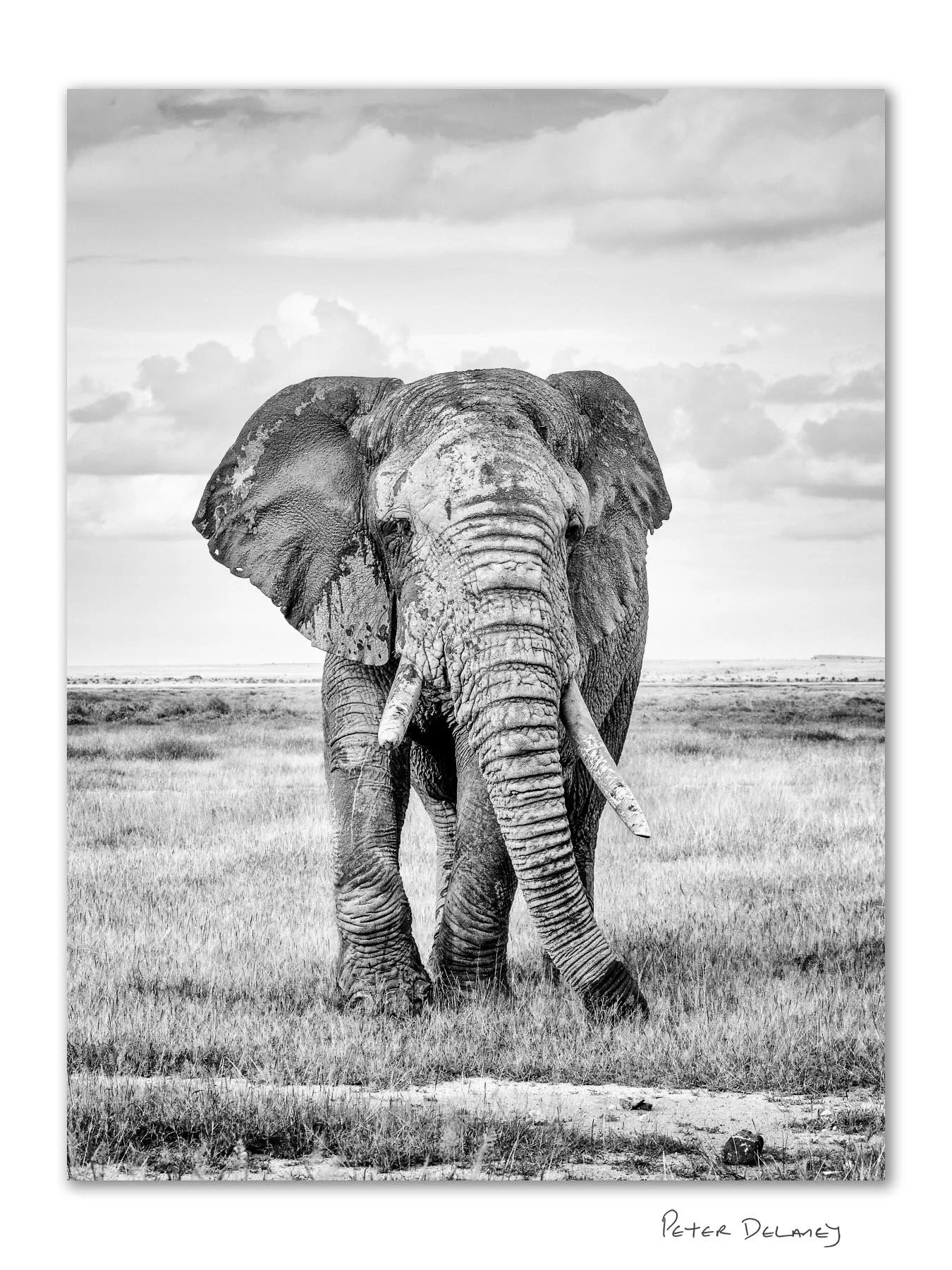
Old Tusker
Endurance. A life fully written in scars and silence.
We also work with light and texture. Early morning and late afternoon are when the light does the most work — long shadows, the wrinkles of an elephant's skin catching gold, the curve of a dune thrown into relief. These are the hours we teach guests to use clouds, trees, and distant mountains to build a composition, not just fill a frame.
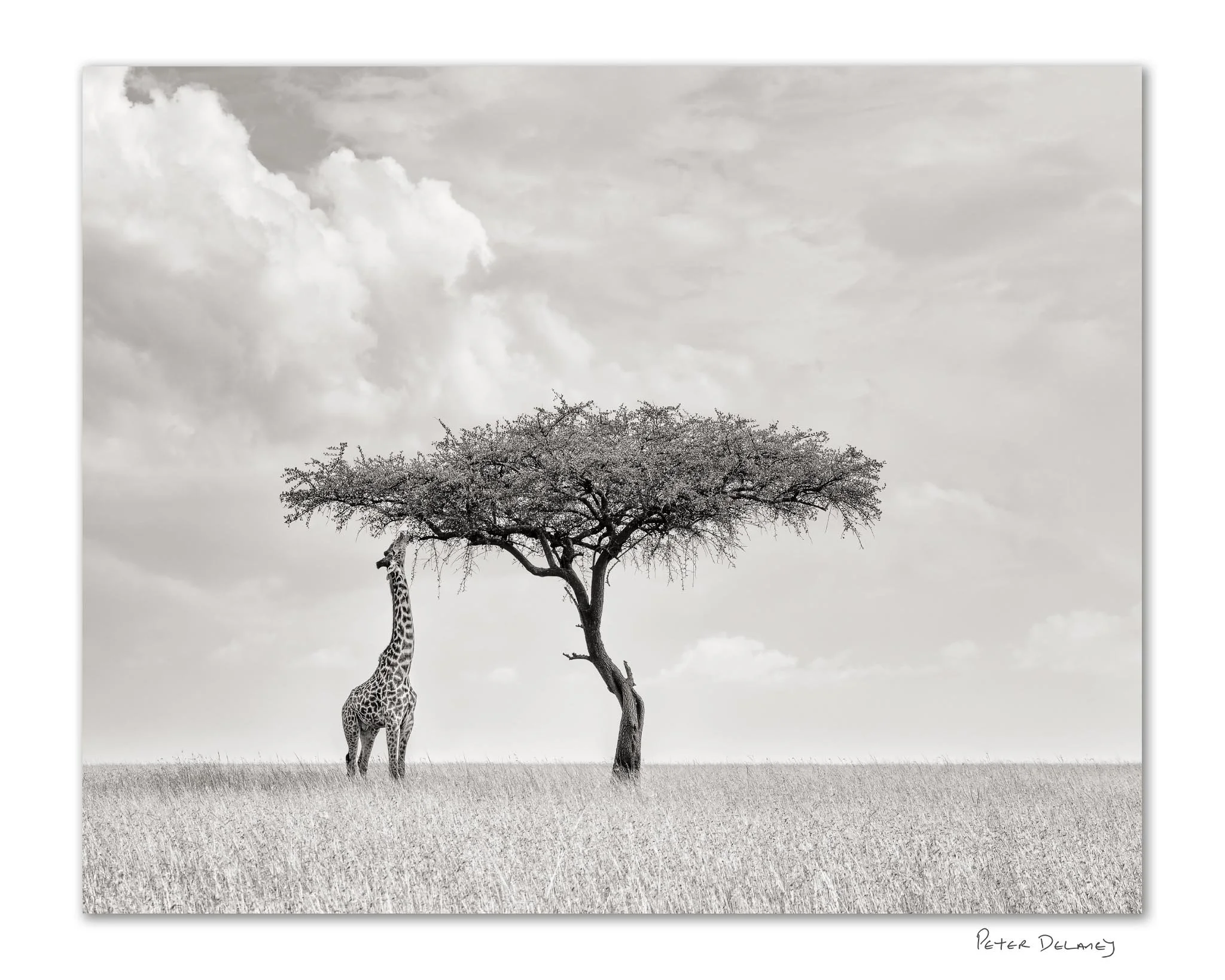
Camelopard | Closer Look
Detail. A quiet study of form, light, and presence in the Mara. Hasselblad Masters 2026 Finalist
Seeing Beyond the Obvious
There's always a pull toward the big dramatic moment, the chase, the kill, the perfect portrait. Cheetahs on a mound at dusk, framed against the light, is the shot everyone comes to Africa hoping to get. It's a beautiful image, and there's nothing wrong with wanting it.

Ruka & Rafiki | Cheetahs | Mara North
Brotherhood. Two cheetah brothers scanning the horizon in silence.
A leopard walking the length of a large marula branch is the same kind of shot. Everyone knows it when they see it, it's the bucket-list image, the one-in-a-lifetime frame. But wanting it and getting it are two different things. It takes patience, precise timing, and a guide who can read the bush well enough to put you in the right place before the leopard ever moves. Without that bushcraft, you simply never see it happen.

Salayexe | Leopard on the Prowl
Stealth. A legendary leopard moving through the Sabi Sands shadows.
But a photographer who's really seeing learns to look past the obvious too. Most people stop shooting the moment it starts raining. And most people walk straight past a zebra foal, there are so many of them out there that they stop registering as a subject at all. Put those two things together, a young animal nobody's bothered to really look at, in weather nobody wants to shoot in, and you've got a photograph almost no one else will come home with.
Every shift like that, in subject, in weather, in what you choose to notice, is a new story waiting inside a scene everyone else has already walked past.
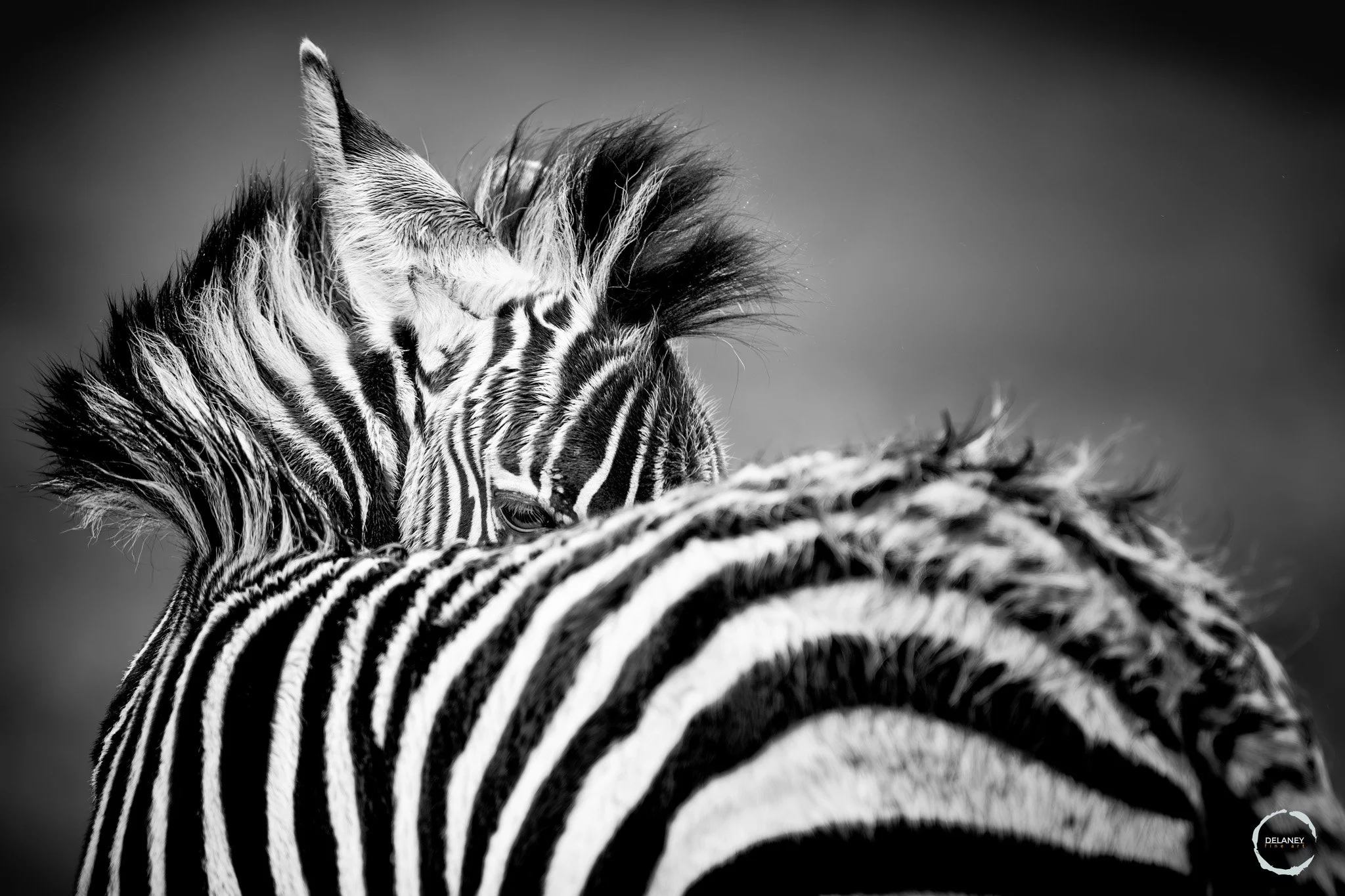
Soulful Gaze
Intimacy. A zebra foal caught in rain and stillness.
Creating with Rhythm and Symmetry
Africa moves in patterns. Stripes on a zebra. A herd walking in unison, evenly spaced, easy to read as one shape. That's the instinct most people bring to a scene like this: find the symmetry, wait for it to align, take the shot.
But rhythm isn't always even, and it isn't always obvious.
Four tsessebe, Mokala, first light. They were walking away when one turned back, fully, deliberately, as if she'd thought better of it. The others dissolved into shadow behind her, faces half-lit, present but already leaving. I rarely do close-ups. I rarely work with even numbers. Four felt wrong on paper. In the frame, it was the only number that made sense.
The print is called Sassaby, the oldest recorded name for the tsessebe, used by European settlers across southern Africa in the 1800s. It felt right for an animal most people have never heard of, photographed in a way I don't usually work.
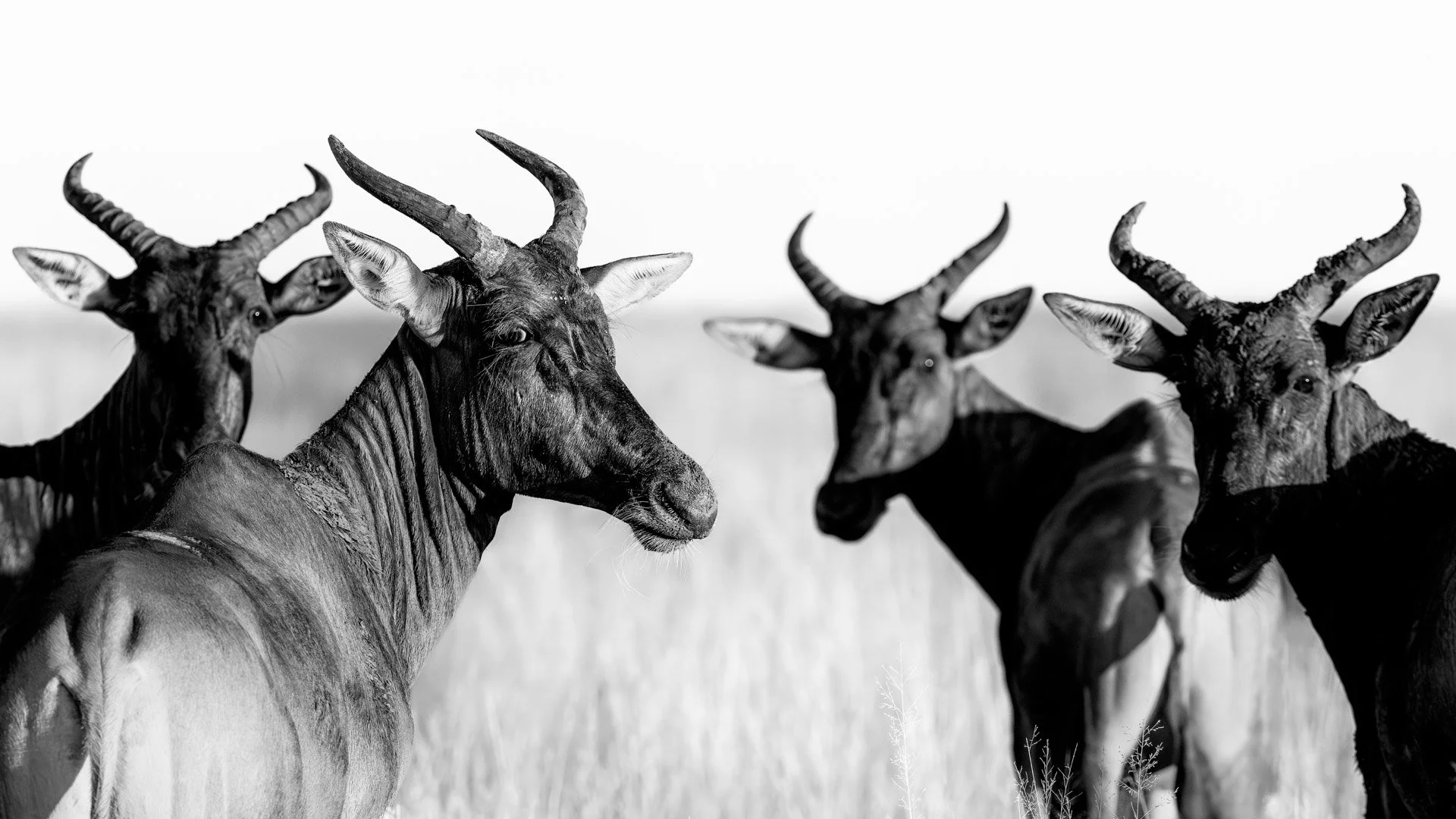
Sassaby
Departure. Four faces turned back — one sharp, three fading into the morning.
Seven red hartebeest on a rise in Etosha. Thorny scrub, yellow flowering bush, early morning light. They weren't running. They were watching, all seven, facing outward together. This is what hartebeest do. When danger approaches they don't scatter. They turn toward it as one. There's a rhythm in that collective stillness I couldn't leave behind.
The print is called Caama, the old taxonomic name for the red hartebeest, largely forgotten now. Same instinct as naming my giraffe triptych Camelopard. Some names deserve to survive.
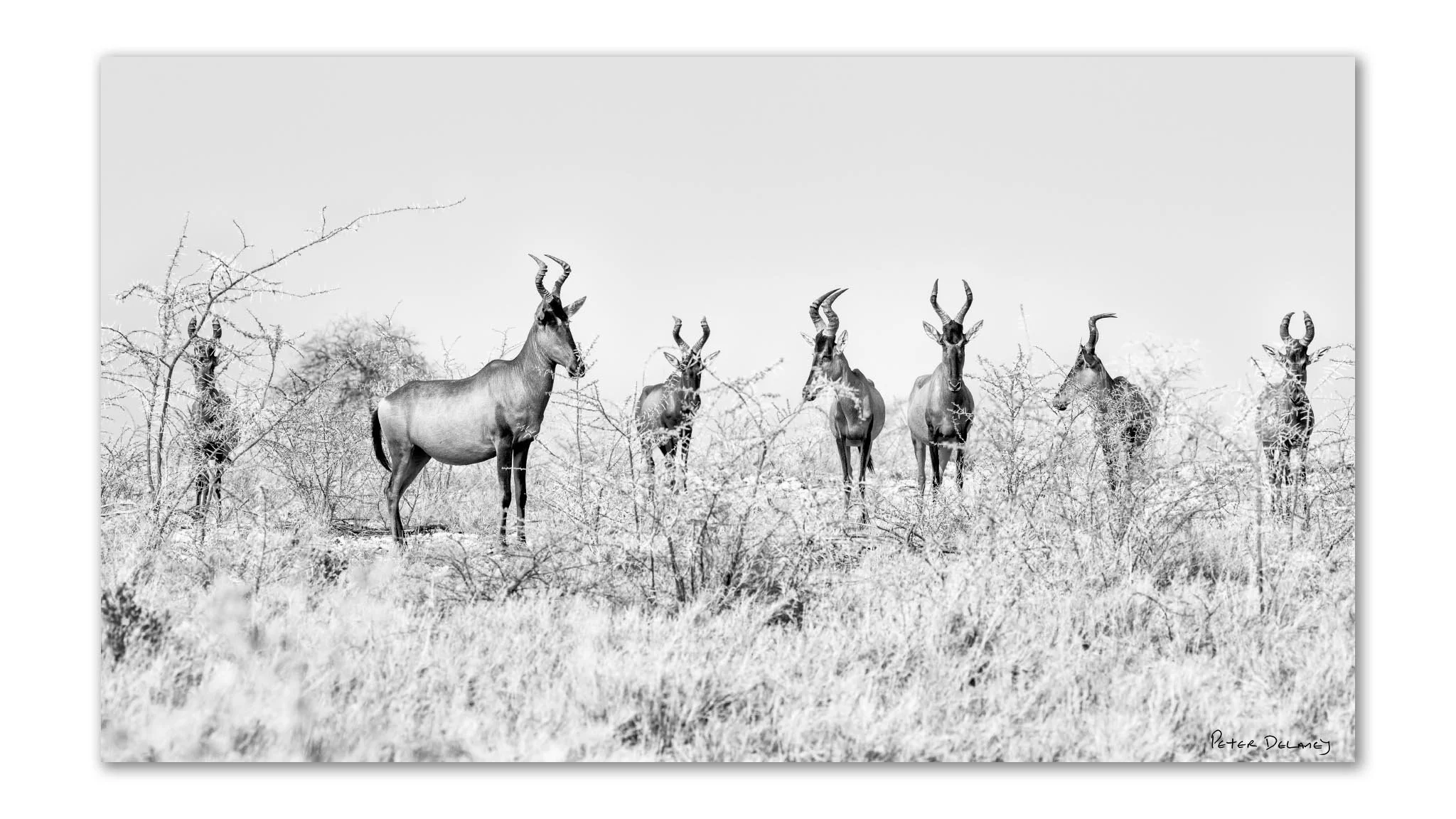
Caama
Vigilance. Seven on a hill, facing the same unspoken question.
Nine ostriches stand tall in waist-high grass, heads turned in nine different directions, alert, curious, watchful. Faint storm clouds linger above without threat, their drama held in check so the birds stay the story. The grass moves like a gentle sea, giving the image texture without overwhelming its subjects. Nine heads, nine directions, and still, somehow, one image.
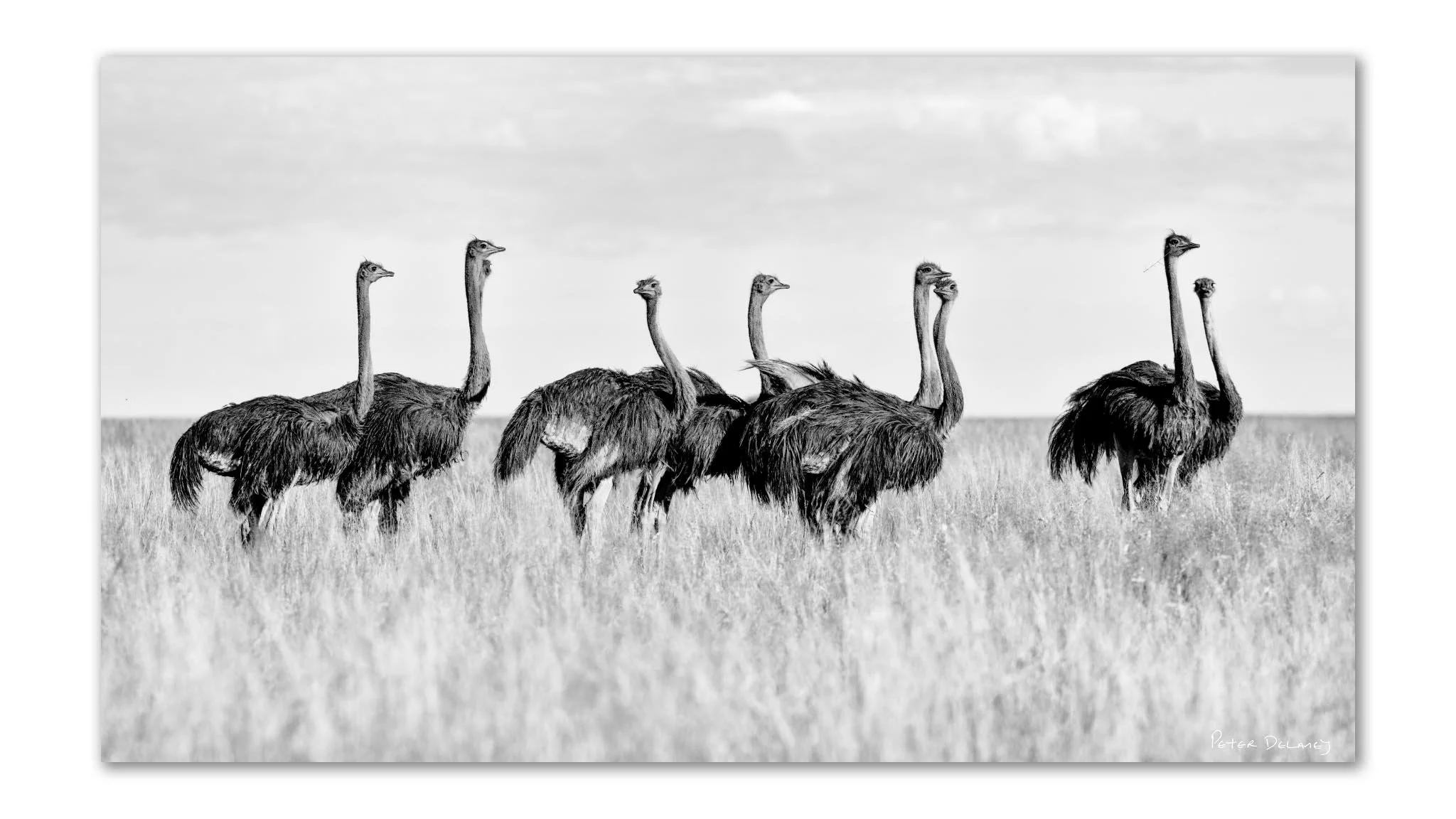
Camel Sparrows
Multiplicity. Nine faces, nine directions, one shared awareness.
That's the real lesson in rhythm and symmetry: it's rarely as tidy as an even line of elephants. More often it's four instead of six, seven facing outward instead of seven running, nine heads pointed nine ways that somehow still hold together as one moment. You don't manufacture that. You wait long enough to recognise it when it happens.
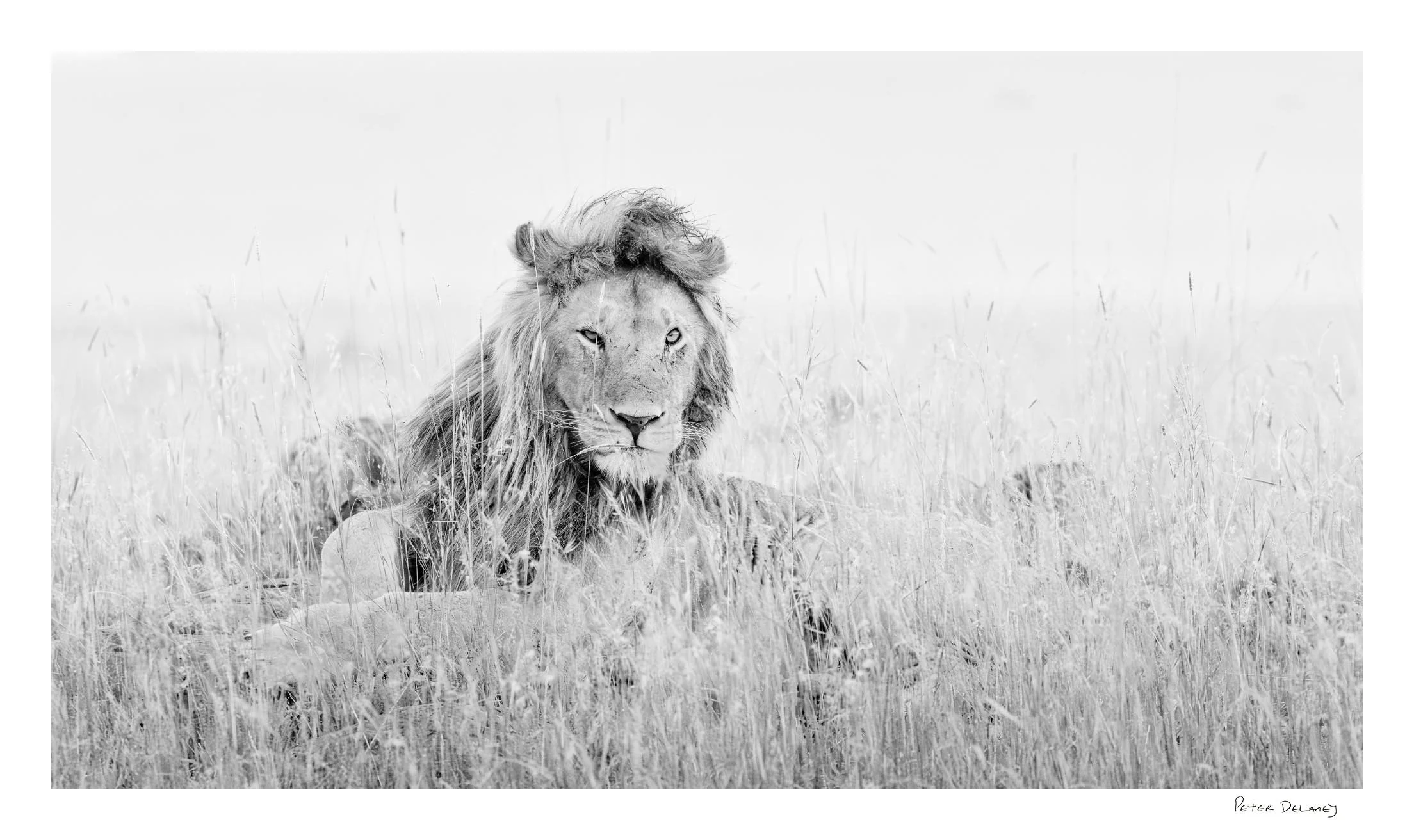
Eye to Eye
Power. A lone lion meets you in the mist before the storm breaks.
The Art of Patience
The most valuable lesson I teach on safari is patience. The best images come from waiting: for the light, for the moment, for the interaction that can't be rushed or repeated.
Eye to Eye | The Serengeti Boys is the clearest example I have. A coalition of four male lions who move between the Mara and the Serengeti, brothers bound by territory and survival. This one was resting in long wet grass in the Mara North Conservancy, hidden almost completely, and we didn't know if he'd wake at all. It was misty, raining, no guarantee of anything. We waited. Then the hum of the vehicle stirred him. He lifted himself into a half-sitting posture, turned, and looked straight down the lens. Rain still clinging to his mane. Unwavering. That's the whole photograph: a lion who has every reason to look away, and doesn't.
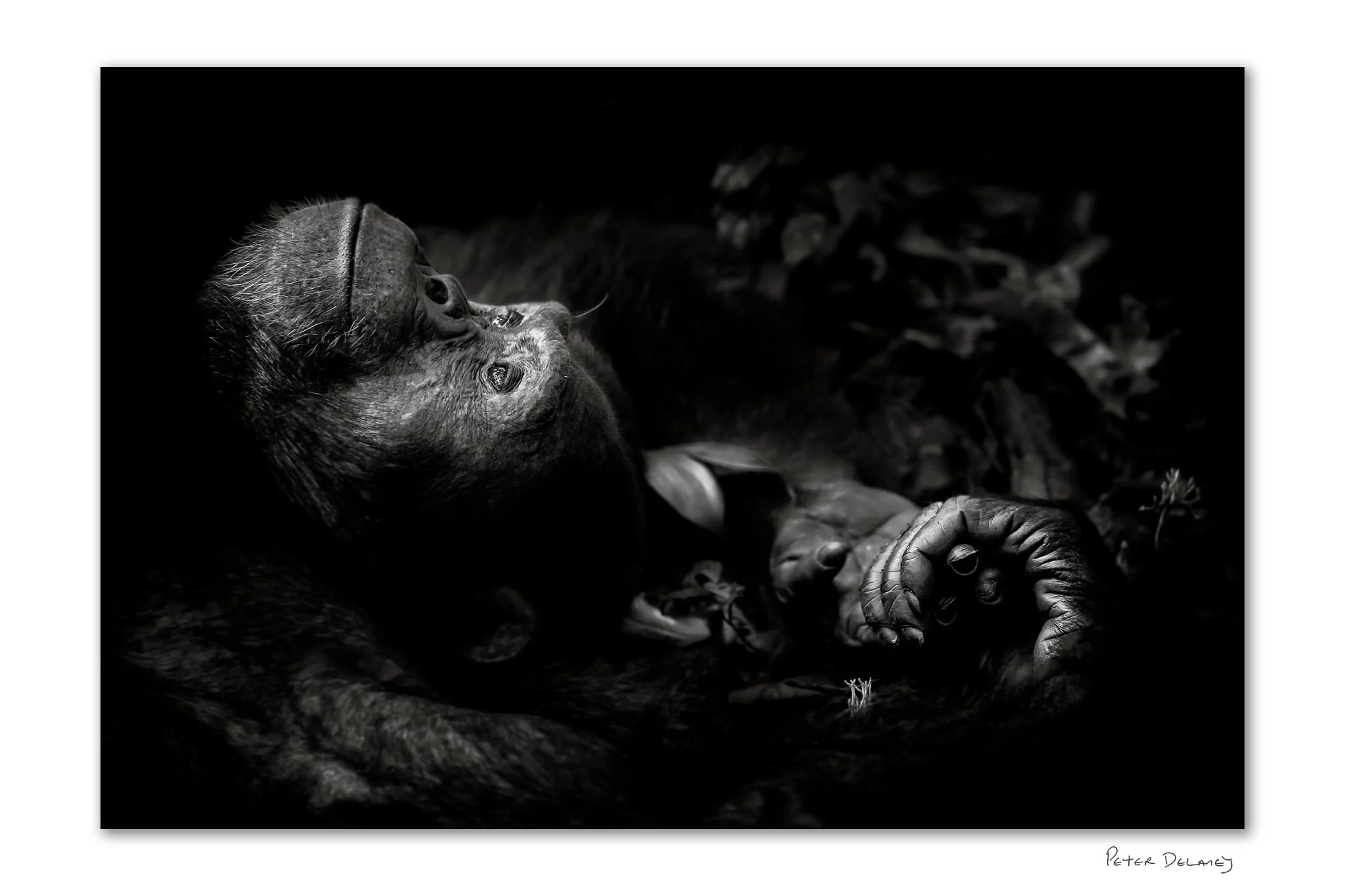
Contemplation
Emotion. A moment of thought, held in stillness.
Winner, Animal Portraits, Wildlife Photographer of the Year 2017
Your Vision
What I offer on safari isn't just the chance to photograph wildlife. It's the chance to develop your own vision as a photographer. Seeing goes beyond technique. It's the emotion in the moment, the spirit of the wild in front of you. My job is to help you find the balance between precision and feeling, so your photographs carry the story of your own time in the wild, not just a record of what was there.
If you want to take your photography further, come into the field with me. I'll show you not just how to photograph Africa's wildlife, but how to see it.
As one of my favourite songs puts it: you don't need eyes to see, you need vision.

Gladiator
Resilience. A vulture shaped by survival and dust. Wildlife Photographer of the Year 2013 | IPA Award Winner | National Geographic
While I work almost exclusively in black and white, I don't believe seeing is limited to one palette. The Gladiator, also known as Showdown, is proof of that: Wildlife Photographer of the Year 2013, an IPA award winner, and published as a double-page spread in National Geographic. One of the images I'm proudest of. If any of the photographs in this piece have stayed with you, black and white or colour, they're available as fine art prints, museum-quality, printed on archival paper, made to live on a wall for a lifetime.
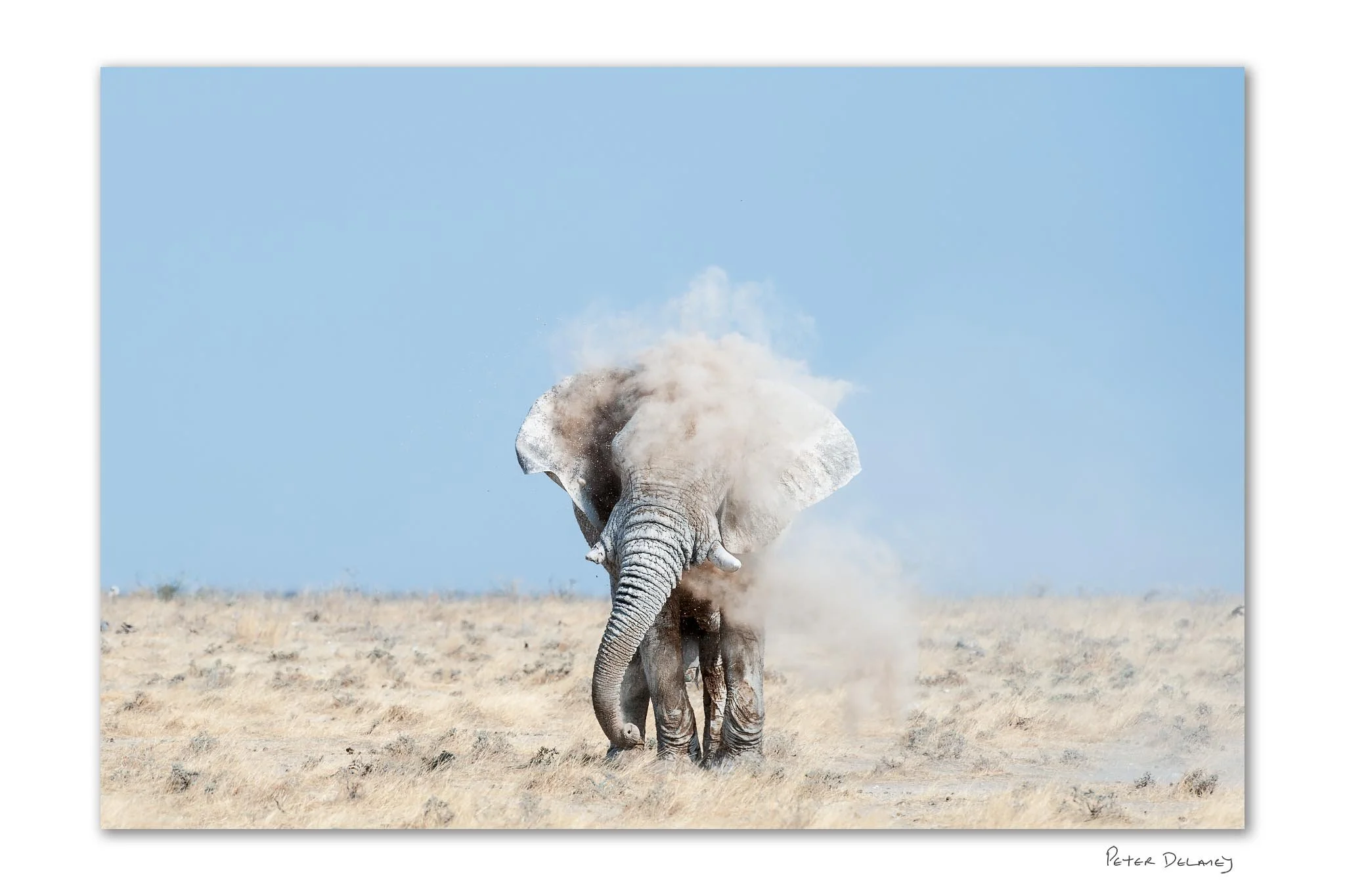
The Godfather | Grey Ghost Of Etosha
Power. Dust, silence, and light.
Sony World Photography Awards shortlist
Whether you shoot in black and white or colour, what matters is learning to see. That's what I offer, in two ways.
Come on safari. I lead small groups, no more than six people, into the Mara, Amboseli, and Etosha, teaching exactly what's in this piece: patience, composition, timing, and how to recognise a moment before it's gone. [Tell me where you'd like to go, and I'll be in touch — safari enquiry form link to come]
Or work with me from wherever you are. I offer online mentoring and image critique for photographers who want honest, direct feedback on their work, or who simply want someone to talk through the craft with. No pressure, no sales pitch, just a conversation about your photography. [Get in touch about mentoring — form link to come]